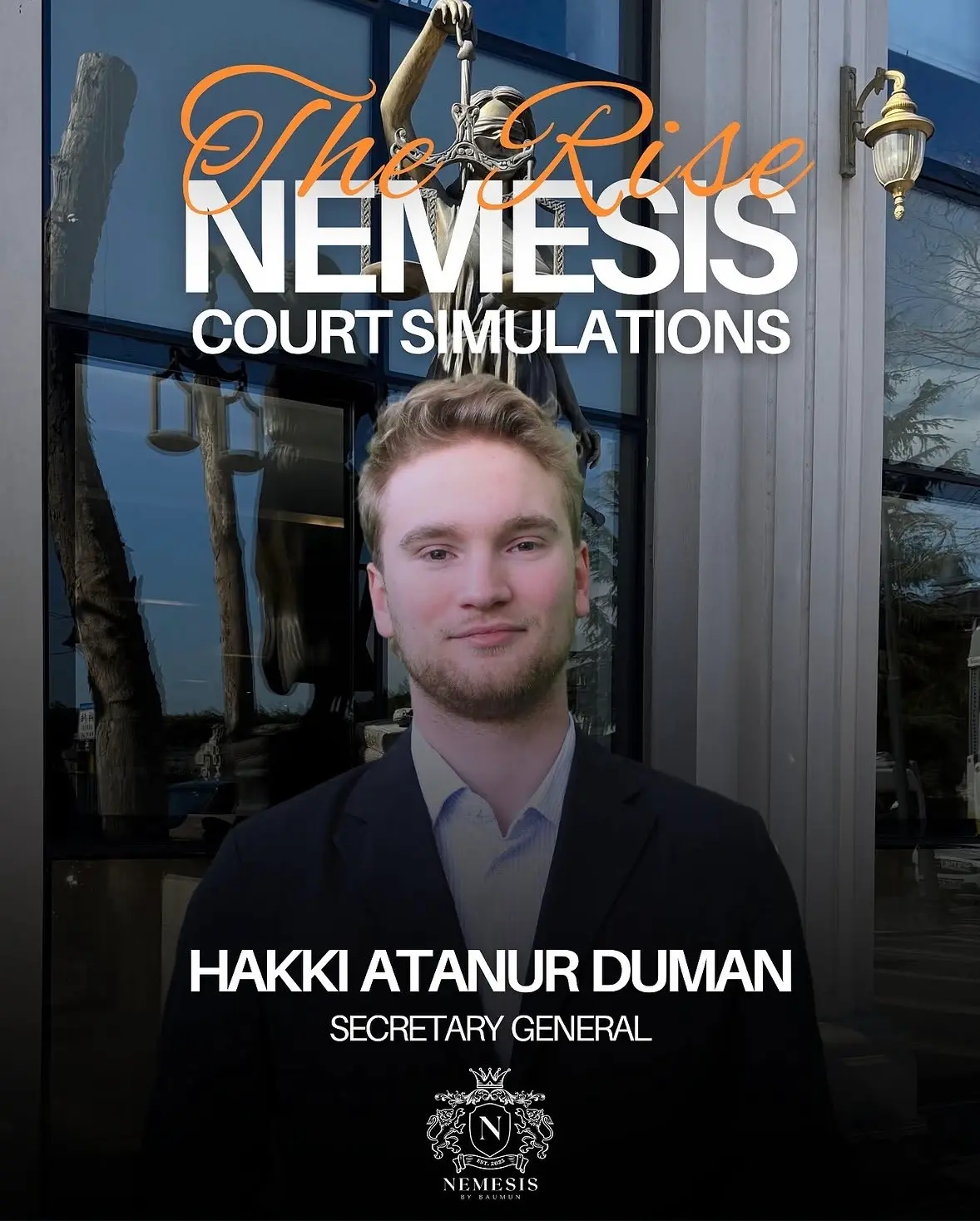
Hakkı Atanur Duman
SECRETARY-GENERAL
The Rise
Til Justice
2–4 May 2025 · BAHÇEŞEHIR UNIVERSITY SOUTH CAMPUS
Nemesis Court Simulations 2025: The Rise brought together law students from universities across Türkiye and abroad for a conference built on advocacy, jurisprudence, and legal reasoning.
The courts operated in both Turkish and English. All procedural stages, including hearings and written submissions, were conducted in the language of the court a participant had applied to.
Building a community where legal theory meets practical application, the conference did not require prior moot court experience. The event eagerly welcomed both first-time participants and experienced students to share this unique learning experience.
Academics
Nemesis Court Simulations’da ilkini gerçekleştirdiğimiz Aile Mahkemesi’nde bu sene ünlü futbolcu Murat Kadri ve bir dönem menajerliğini de yapmış olan sosyal medya fenomeni karısı Vildan Nar Kadri’nin Boşanma Davası görülecektir. Mahkeme, çifti boşanma davası açmaya götüren aldatma ve geçimsizlik gibi olaylar ışığında vicdani kanaatini de kullanarak boşanma talebine ve gerektiği durumda boşanmanın sonuçlarına dair hüküm kuracaktır.
The case of Ferreira v. Portugal highlights the critical role of judicial independence in upholding democratic principles and raises fundamental questions about the boundaries of judicial expression. Should judges have the right to voice concerns about threats to the rule of law, or must they remain silent to preserve the perception of impartiality? The case explores the complex tension between judicial autonomy and democratic accountability, challenging the extent to which political influence can shape the judiciary. In Ferreira v. Portugal, a former President of the Supreme Court was dismissed following his public criticism of judicial reforms. A newly enacted law prevented him from challenging his removal in court, effectively leaving him without legal recourse. The case brings into focus key issues concerning the protection of freedom of expression (Article 10) and the right to a fair trial (Article 6) under the European Convention on Human Rights, offering a compelling examination of the intersection between judicial independence, political power, and the rule of law.
Nemesis Court Simulations T.C. Anayasa Mahkemesinde, Cumhurbaşkanı Rıfat Demir Ertekin’in Anayasa Mahkemesi tarafından verilen kesin ve bağlayıcı kararları uygulamaktan kaçındığı, ayrıca Anayasa’ya aykırı olduğu iddiası ile seçimlere katılmıştır. Anayasa’nın üstünlüğü ilkesine aykırı hareket ettiği gerekçesiyle Yüce Divan önünde yargılanması talep edilmiştir.
Türkiye Cumhuriyeti Anayasa Mahkemesi, yasaların Anayasa’ya uygunluğunu denetlemenin yanı sıra Yüce Divan sıfatıyla da görev yapar. Bu yetkisi çerçevesinde, Cumhurbaşkanı, Cumhurbaşkanı yardımcıları, Bakanlar, Anayasa Mahkemesi, Yargıtay, Danıştay, Sayıştay ve Hâkimler ve Savcılar Kurulu (HSK) üyeleri gibi üst düzey devlet yetkililerini görevleriyle ilgili suçlardan yargılayabilir.
Yüce Divan yargılaması, ceza hukuku kurallarına göre yürütülür ve verilen kararlar kesindir. Bu görev, yüksek makamlardaki yetkililerin hukuka uygun hareket etmesini sağlamak ve hesap verebilirliği artırmak amacıyla Anayasa Mahkemesi’ne verilmiştir.
MSL’s smear campaign against APS using mock cargo shipments. The trick was using heat active paint which ones reacted to heat desolves and reveals a writing. These series of acts will be discussed within the perspective of competition law.
The Court of Justice of the European Union (CJEU) ensures the uniform interpretation and enforcement of EU competition law by ruling on disputes, reviewing European Commission decisions, and addressing violations by member states. It provides preliminary rulings to guide national courts, hears appeals against Commission decisions on antitrust, mergers, and state aid, and can annul flawed legal acts. Additionally, it ensures that member states comply with competition rules, helping to maintain a fair and competitive internal market.
Bu sene Nemesis Court Simulations kapsamında Ağır Ceza Mahkeme’sinde, Savcı Tolga Erlik görev yaptığı süre içerisinde görevinin kendisine sağladığı kolaylık ve sağladığı avantajla gerçekleştirdiği eylemleri, görevdeki yetkiyi kötüye kullanmasına ilişkin eylemleri ve suç işlemek maksadıyla örgüt kuran savcının ve örgütün yargılaması gerçekleştirilecektir.
Ağır Ceza Mahkemesi, Türk yargı sisteminde ağır cezayı gerektiren suçlara ilişkin davalara bakan bir ilk derece mahkemesidir. Ağır ceza mahkemesi hangi davalara bakar sorusunun cevabı 5235 Sayılı Kanunu’nun 12. maddesinde belirtilmiştir. Buna göre, ağırlaştırılmış müebbet hapis, müebbet hapis ve on yıldan fazla hapis cezası gerektiren, asliye ceza mahkemelerinin görevini aşan tüm suçlara ilişkin davalara ağır ceza mahkemesi bakar. Mahkeme, bir başkan ve iki üye hâkimden oluşur; kararlar oy birliği veya oy çokluğuyla alınır. Cumhuriyet Savcısı, iddianamenin kabulüyle dava sürecini başlatır; yargılama sürecinde deliller değerlendirilir, tanıklar dinlenir ve sanıkların savunması alınır. Ağır Ceza Mahkemesi, adaletin tesisinde ve toplumun güvenliğini sağlamada kritik bir rol oynar.
The Arctic Sunrise case (Netherlands v. Russia) was brought before the International Tribunal for the Law of the Sea (ITLOS) concerning the boarding, seizure, and detention of the Dutch-flagged vessel Arctic Sunrise and its crew by Russian authorities in 2013.
The case involved key legal questions under the United Nations Convention on the Law of the Sea (UNCLOS), particularly regarding freedom of navigation, the rights of flag states, and the enforcement jurisdiction of coastal states in the Exclusive Economic Zone (EEZ). The Netherlands argued that Russia’s actions violated UNCLOS, while Russia contested the tribunal’s jurisdiction.
This case raised significant issues about maritime law, environmental activism, and the legal framework governing state actions in international waters.
The International Tribunal for the Law of the Sea (ITLOS) is an independent judicial body established by the United Nations Convention on the Law of the Sea (UNCLOS) in 1996. It is based in Hamburg, Germany, and has jurisdiction over disputes related to the interpretation and application of UNCLOS.
ITLOS handles cases involving maritime boundaries, fishing rights, environmental protection, and navigation freedoms. It consists of 21 judges elected for nine-year terms, ensuring diverse legal expertise in maritime law. The tribunal plays a crucial role in peacefully resolving international maritime disputes and upholding the rule of law at sea.
Leadership
SECRETARY-GENERAL
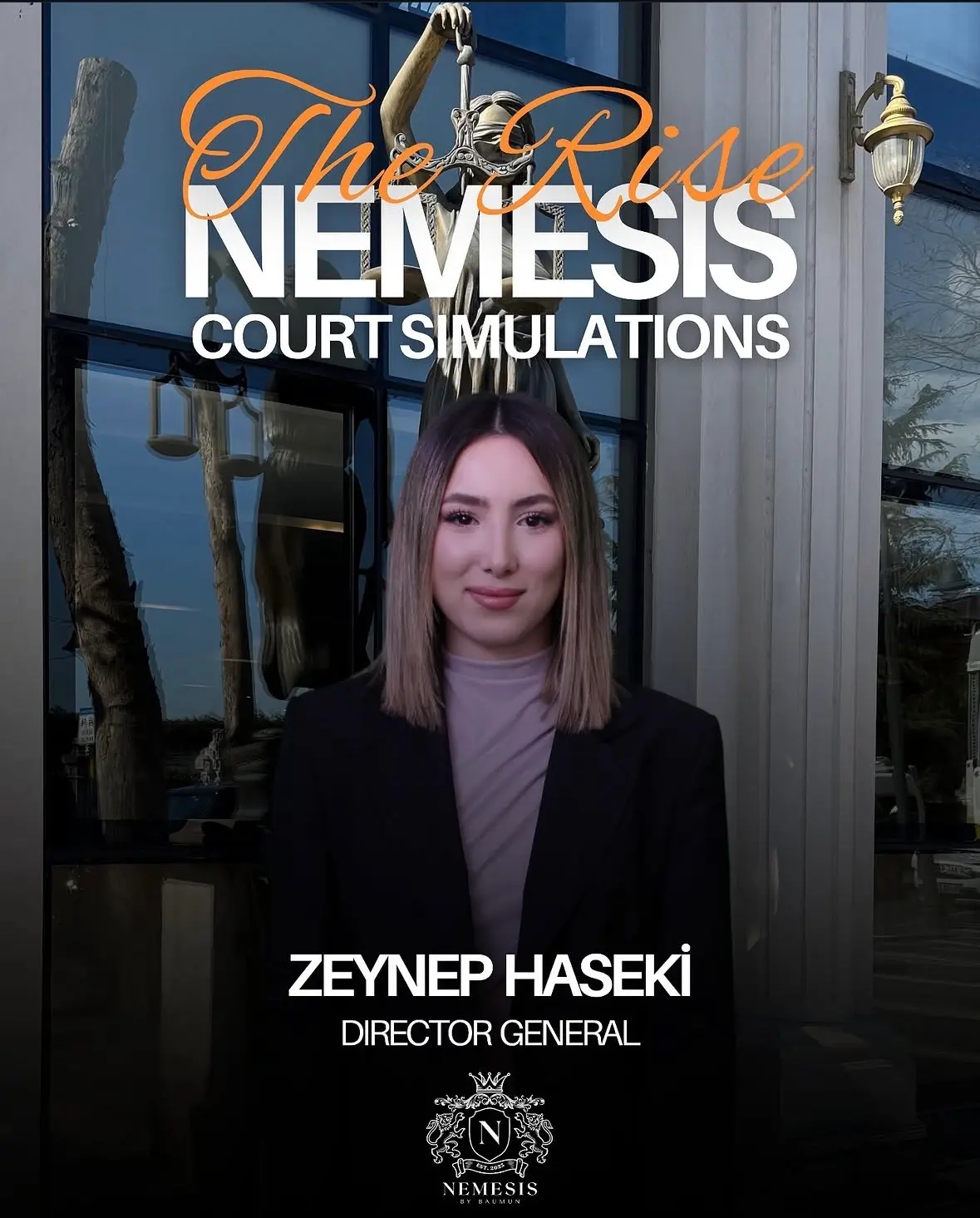
DIRECTOR GENERAL
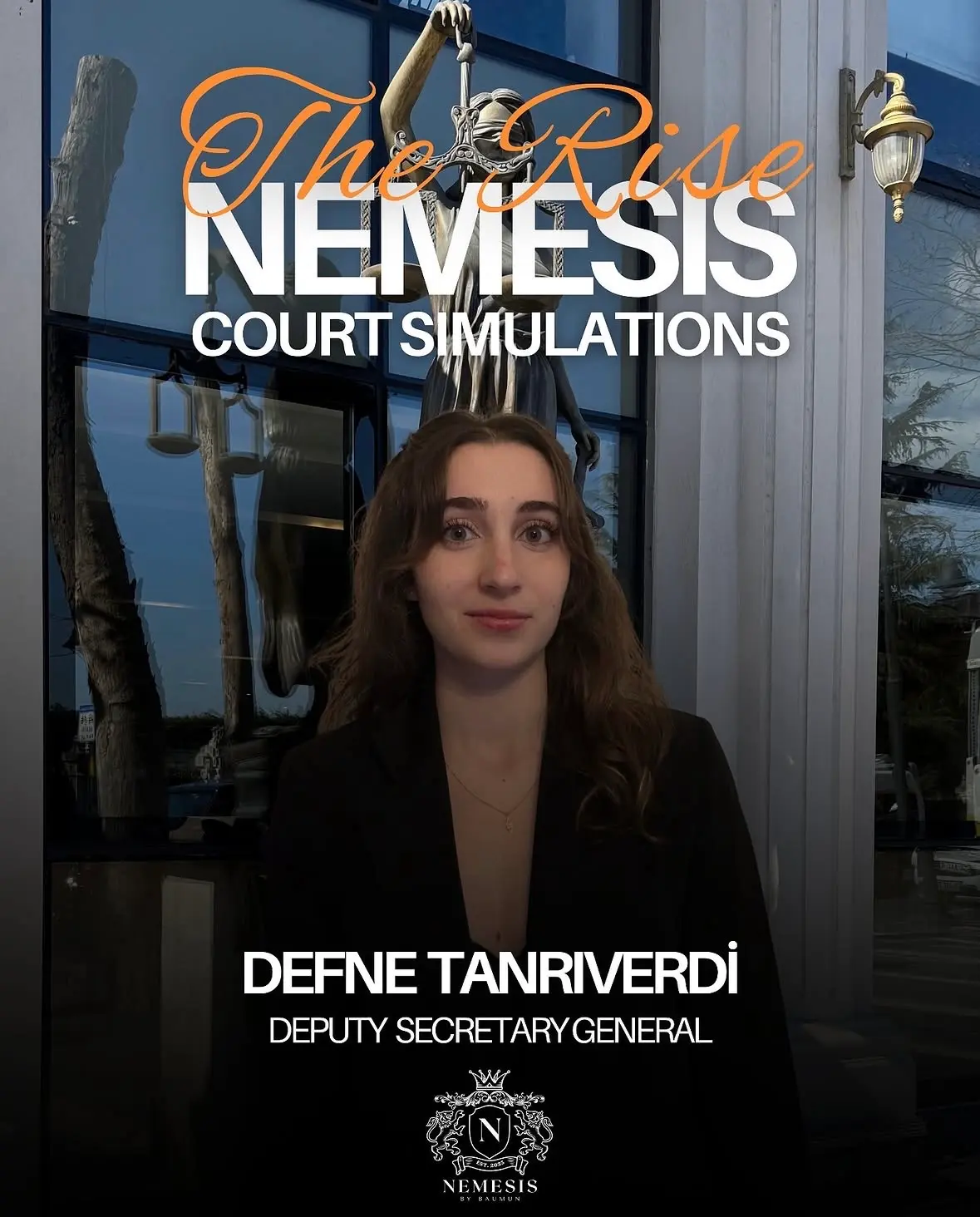
DEPUTY SECRETARY-GENERAL
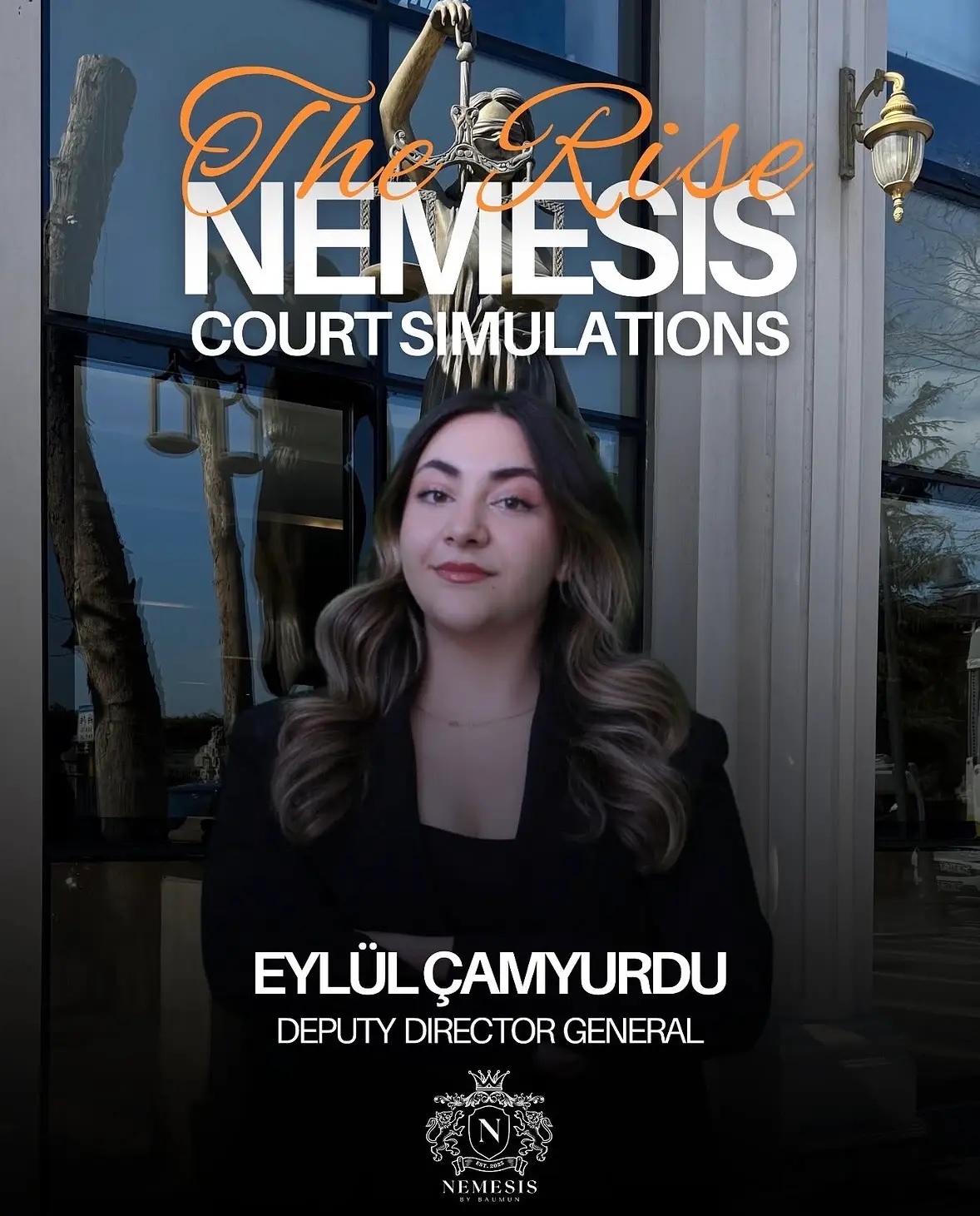
DEPUTY DIRECTOR GENERAL